
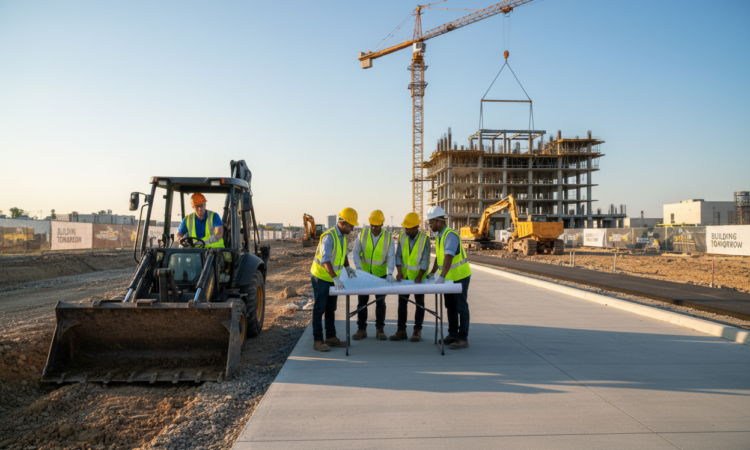
Shovel-Ready Projects Explained
You’ve likely heard the term “shovel ready” in economic discussions. This phrase gained prominence during the Great Recession when President Barack Obama used it to describe infrastructure projects that could quickly benefit from stimulus spending.
The 2009 American Recovery and Reinvestment Act (ARRA) defined these projects as those ready for construction within 90 days. This government program aimed to create immediate jobs and boost economic recovery through targeted spending.
In plain English, a shovel ready project has cleared planning hurdles and secured permits. It can begin actual development within months rather than years. This definition matters for investors seeking tangible opportunities.
We apply this context to private lending, ensuring your capital targets ventures with clear paths to construction. Understanding which projects are truly shovel ready helps identify the best opportunities for your funds. This approach forms the foundation of our shovel-ready funding strategy for Costa Rica real estate.
Conservative Structure & First-Lien Mortgage Framework

At the core of our lending strategy lies a disciplined first-lien mortgage framework. This structure is designed for one primary goal: protecting your capital. We apply this rigor to every opportunity, especially those labeled shovel ready.
Fundamentals of First-Lien Lending
We exclusively facilitate investments where your capital holds the primary security interest. This is the first-lien position. It means you have the first claim on the property if anything goes wrong.
We cap our loan-to-value (LTV) ratio at a conservative 50%. This creates a substantial equity buffer. Your funds are protected even if local growth faces unexpected challenges.
Key Elements: Borrower/KYC and Collateral Checks
Our process starts with rigorous Know Your Customer (KYC) checks. We verify every borrower’s history and transparency. This ensures the people behind the projects are reliable partners.
Deep due diligence on the collateral is non-negotiable. We treat every project as a long-term commitment. The Asian Development Bank notes the massive capital required for large infrastructure projects. We focus on individual, secured opportunities that offer clear paths.
Proper planning is essential. A truly shovel-ready project needs a detailed capital improvement plan. Our framework ensures your investment is a tangible asset, not just a phrase.
shovel-ready-projects-explained: Secure Project Framework

Before any construction begins, verifying the integrity of the project’s legal standing is paramount. Our framework is designed to lock in that “shovel ready” status. We do this by addressing the common hurdles that cause delays.
Unforeseen legal obstacles can stall even the best-planned ventures. Supply chain issues also complicate final planning for infrastructure. Our process identifies these risks early.
Clear Written Terms & Conservative Underwriting
We require crystal-clear written terms for every loan. You will always understand the timeline and your security. Our underwriting is deliberately conservative.
We verify a project’s shovel-ready claim with independent experts. This step ensures the promised construction start is real. It protects your capital from optimistic timelines.
Clean Title, Registry, and Encumbrance Reviews
We conduct a deep review of Costa Rica’s National Registry for every project. The goal is a clean title, free of hidden claims or debts. This exhaustive check leaves no room for ambiguity.
We confirm all permits are secured and valid. This prevents legal or administrative delays once building starts. Our team treats each title review as if it were for our own investment.
This meticulous approach provides a clear path to completion. Your investment is backed by solid, verified collateral from day one.
Comprehensive Risk Controls in Private Real Estate Lending
Beyond initial due diligence, a multi-layered control system safeguards every stage of the lending process. We apply these rigorous checks to every opportunity, ensuring your capital is protected from valuation to closing.
Valuation, Equity Analysis, and Underwriting Standards
We perform a detailed valuation and equity analysis on every project. Our guideline maintains a strict 50% loan-to-value ratio. This creates a substantial buffer for your investment.
Paul Scott of CSS brings over 20 years of project management experience. This expertise informs our consistent underwriting standards. We ensure every project meets the same high bar for security and planning.
Lien Registration and Proper Closing Procedures
Proper closing is the final, critical step. We ensure the lien registration is recorded correctly in Costa Rica’s public registry. This legal step secures your first claim on the collateral.
Our closing process is transparent and efficient. Your funds deploy only after all requirements are met. Jen Thompson of CSS highlights that solid plans are essential for project success. We provide the oversight to protect your investment for the long term.
Moving Forward with Secure Lending & Practical Controls
To translate planning into results, you need a framework that prioritizes your capital’s protection. Our process provides the clarity and security required for confident investing.
We invite you to explore our approach to secure, first-lien lending. Discover current investment opportunities designed for stability and growth.
Our commitment ensures your capital targets verified, shovel-ready projects. Conservative underwriting protects your investments with real collateral.
Contact us via WhatsApp at +506 4001-6413 or call 855-562-6427. Let’s discuss your funding goals with a practical, no-hype approach.
This information is for educational purposes. Outcomes vary and there are no guarantees. We look forward to helping you navigate private real estate lending.
FAQ
What does "shovel-ready" actually mean for a construction or infrastructure project?
In plain English, it means a project has completed all necessary planning, design, permits, and approvals. All that’s left is securing final funding to begin physical construction. The term gained prominence during economic stimulus efforts—like after the Great Recession—to quickly create jobs and spur growth. For us, it signifies an investment that can start generating employment and community benefits almost immediately.
How does the first-lien mortgage framework protect my investment in a lending scenario?
It establishes your loan as the primary, secured debt against the property. This legal structure means that if anything goes wrong, you have the first right to the collateral ahead of other creditors. We manage this process meticulously through clean title reviews and proper lien registration at the National Registry. It’s a fundamental control that protects your capital.
Why is conservative underwriting so critical in private real estate lending?
Conservative underwriting isn’t about being slow—it’s about being safe. We analyze property valuations and borrower equity with a realistic lens, ensuring there’s a significant buffer for market shifts. This approach protects all parties by preventing over-leveraged situations that are common when traditional banking isn’t involved. It’s how we ensure long-term stability over quick, risky gains.
What are the biggest risks you control for in these types of project investments?
We focus on three core areas: legal clarity, financial stability, and process integrity. This means verifying all permits are in place for “shovel-ready” work, ensuring the collateral title has no hidden encumbrances, and confirming the borrower’s capacity. Our job is to identify these risks upfront—through documentation reviews and registry checks—so you have a clear picture before committing funds.
How long does it typically take to move from commitment to funding on a secured loan?
With all documentation and approvals in order, the closing process itself can be efficient. However, the timeline is dictated by the thoroughness of our upfront work: title review, registry verification, and preparing the mortgage deed. Rushing this stage introduces risk. We prioritize a clean, predictable closing over an artificially fast one, typically aiming for a matter of weeks once terms are set.
As a foreign investor, what should I look for to ensure a project is truly "ready" for funding?
Look for concrete evidence, not just promises. Request to see the final municipal construction permits, the approved site plans, and proof that all pre-construction conditions are satisfied. A truly ready project will have this documentation organized and available. This due diligence is part of the service we provide—translating complex local requirements into a clear checklist for you.
Article by Glenn Tellier (Founder of CRIE and Grupo Gap)
Sign up to start investing today!
